
Two children, out for a pleasant afternoon boat ride one summer afternoon around 1945, noticed a ladder leaning up against the old abandoned house on Gull Island. They pulled up on the rocky beach and, being curious children, climbed up the ladder to see what they could see.

This photo is from a post card and the people are unknown, but suggest what the children, Jane Basler and Bob Reed, saw as they approached Gull Island. Courtesy Omena Historical Society
The window at the top of the ladder was broken, so they climbed in. Quietly they crept through the bedroom, down the hallway and down the stairs which led to the living room of the old house.
Halfway down the stairs they stopped. On the mantle of the stone fireplace was a lighted candle! A cigarette was going in an ashtray! Suddenly they heard the creaking footsteps of someone coming toward them!
Leave the Island, NOW!
They scrambled back up the stairs and out the broken window, ripping a hole in the seat of one of their swim suits as they went. Down the ladder and to their little boat which was, thankfully, still there.
They raced back to their cottage on Ingall’s Bay as fast as they could, and breathlessly told one of the fathers who, because they had no telephone, ran to the village store and called the sheriff, Bob White. “Well yes” the sheriff said, “ I’ll get around to it.” And he did…the next day. He found that there had indeed been someone in the house, but by then they were long gone.
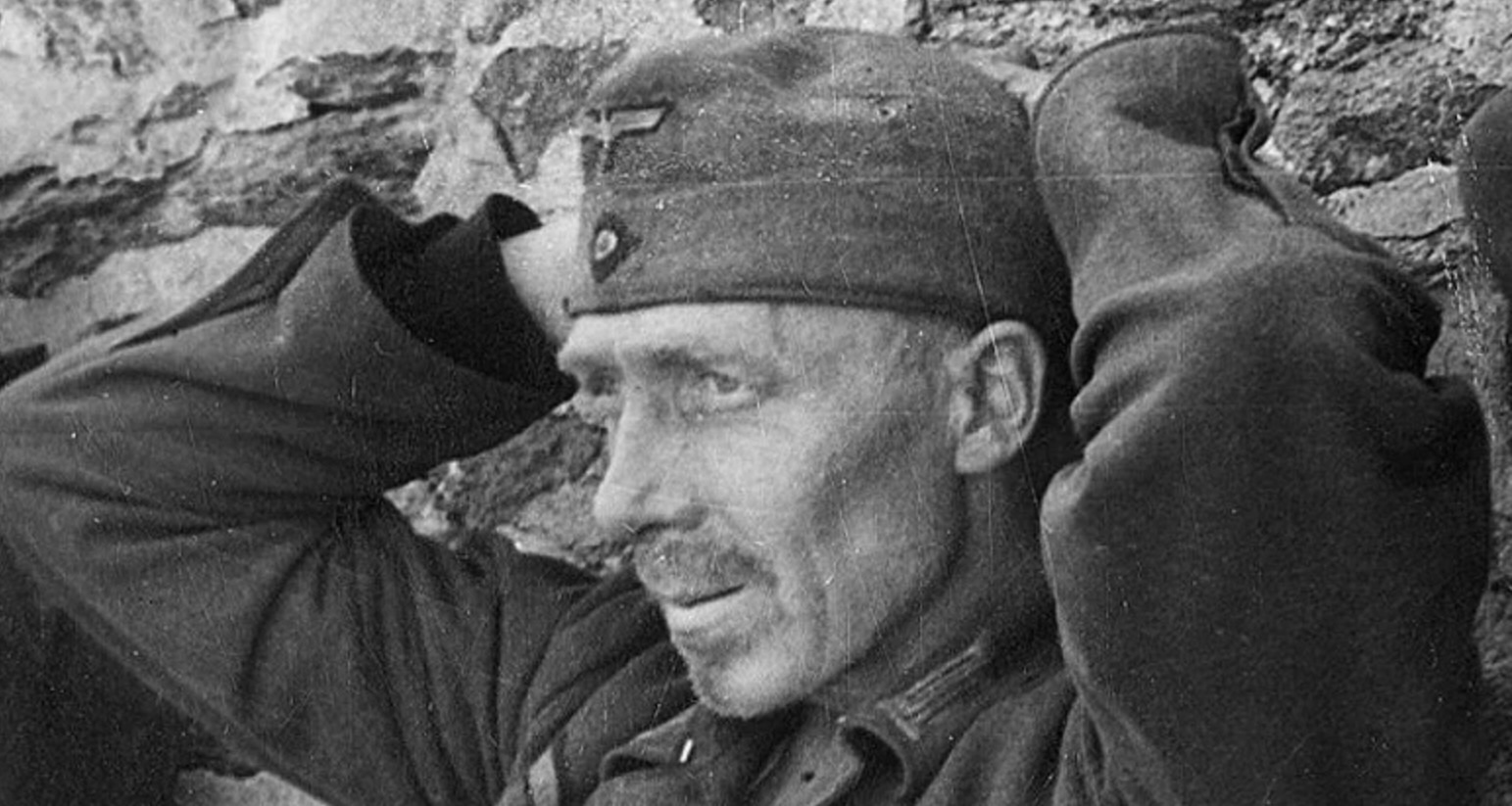
POW found on the Island
Shortly thereafter someone (nobody seems to know who) found an escaped German prisoner of war on the island. The story goes that he gone to Northport to purchase provisions, stolen a boat and rowed to Gull Island. To hide his presence the story goes on, that night he had rowed the boat back where he had found it and swam alone, in the dark, in unfamiliar waters, back to the island. This seems unlikely.
It is possible an escaped prisoner was captured in the area, but the midnight swim part of the story sounds like legend.
POW Camps in Michigan
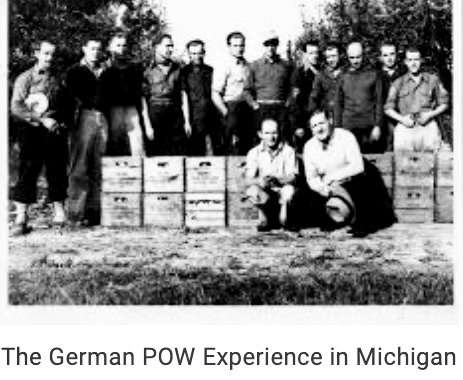
Web photo of Michigan POW farm workers in WWII.
During World War Il, over 6,000 German prisoners were housed in Prisoner of War camps in Michigan in 32 POW camps. Many of the camps were former Civilian Conservation Corps barracks that had been idled since the program disbanded in 1942. Approximately 1,000 POWs were held in the Upper Peninsula, while 5,000 were housed in the Lower Peninsula.
World War Il created a huge labor shortage in the U.S. due to the draft. One solution was to use POW labor in the agriculture and forestry fields. Approximately sixty percent of the POWs in Michigan were contracted out to work on farms picking fruit and other crops.
All prisoners were required to work, and they were paid 80 cents a day, the same rate American privates received. To keep them from accumulating enough cash to bankroll an escape, prisoners were paid in canteen coupons.
Over time, the POWs not only proved themselves capable workers, troublemaking Nazis aside, they also earned the trust and admiration of many of their private employers. As a result, their supervision relaxed, sometimes to the point of being unguarded and unwatched. Nationwide, a total of 2,222 German POWs escaped from their camps. Most were recaptured within a day, but who knows? The Gull Island interloper could very well have been one of them.